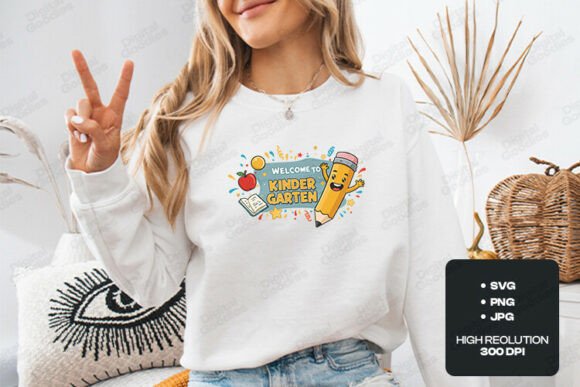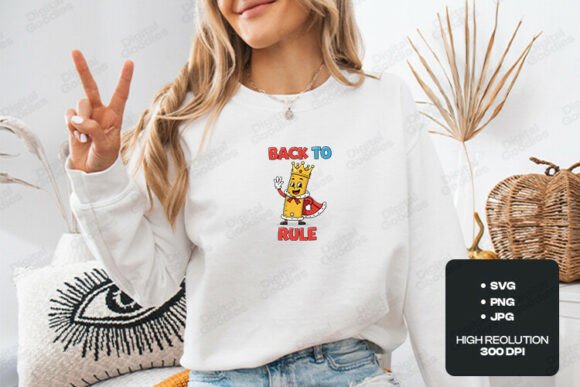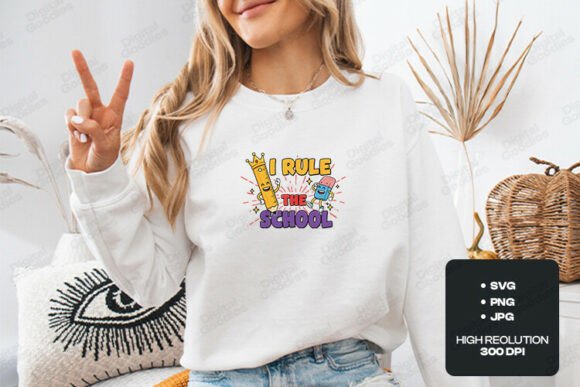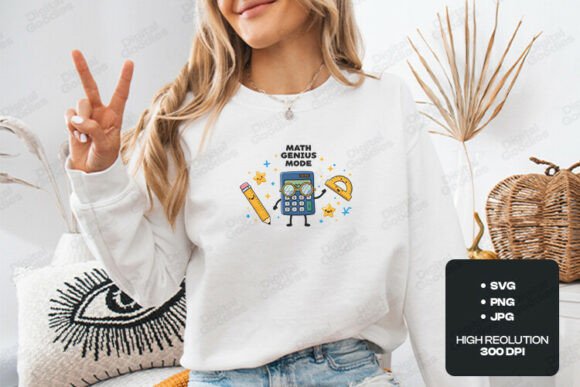
Welcome Back Cute Kid Cartoon Design
First Impressions: Warmth, Simplicity, and Instant Charm
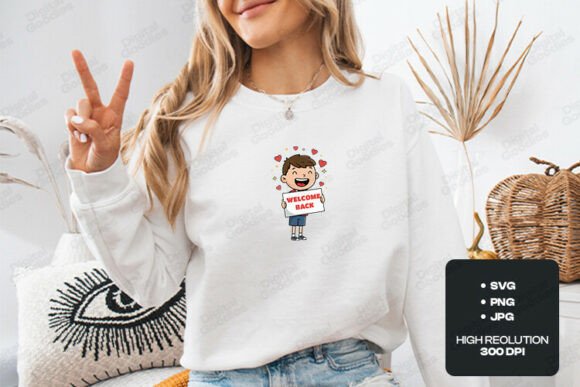
When I opened Welcome Back Cute Kid Cartoon Design, my first thought wasn’t “cute”—it was “relatable.” There’s a quiet sincerity in that smiling child holding a welcome sign, surrounded by soft, rounded hearts. It doesn’t shout. It leans in. That’s rare in T-Shirt Designs meant for embroidery—many lean too hard into clutter or forced whimsy. This one breathes. The layout is balanced but not rigid: the child anchors the center, the sign gives horizontal rhythm, and the hearts float with gentle asymmetry. As a machine embroidery design, it feels built for clarity—not just visual appeal, but stitchability. It’s clearly drawn for translation into satin stitch outlines and smooth fill areas, not pixel-perfect vector complexity.
A Real-World Test: Embroidering a Personalized Nursery Tote Bag
Last week, I stitched Welcome Back Cute Kid Cartoon Design onto a natural cotton canvas tote for a client—a gift for her sister welcoming home a foster toddler. We chose a 5×7 hoop, medium-weight cutaway stabilizer, and matte cotton thread in warm peach, sky blue, and cream. The result? Clean lines, no puckering, and zero skipped stitches—even around the curve of the child’s cheek and the subtle taper of the sign’s handle. The hearts stayed plump and legible at 1.2” tall; the lettering on the sign (“Welcome Back”) remained crisp without needing underlay reinforcement. That tells me this isn’t just a Graphics file—it’s a thoughtfully scaled embroidery file. It performed like a seasoned craft business asset, not a generic clipart import.
Where It Shines (and Where It Needs Thought)
Welcome Back Cute Kid Cartoon Design excels on stable, medium-weight fabrics: sweatshirt embroidery, baby embroidery on gauzy cotton onesies (with light tear-away), embroidered patch backings, tea towels, and pillow covers. Its open shapes and moderate detail level mean it reads well even at 3.5–4” wide—ideal for caps or apron pockets. On dark fabric, it gains instant warmth; on light fabric, it feels airy and unhurried. As holiday embroidery or nursery decor, it conveys tenderness without saccharine overload—perfect for Etsy sellers offering personalized gifts tied to milestones like adoption, kindergarten start, or homecoming after travel.
But let’s be practical: avoid cramming it into a 3×3 hoop. The sign and child’s proportions need breathing room—tight scaling risks losing definition in the face and letterforms. On highly textured fabrics (like thick terry cloth or bouclé), test stitch density first—the fill stitch may sink or blur. Stretchy fabric? Use a firm cutaway + topping. And while the hearts are forgiving, the small “o” in “Welcome” and the curve of the child’s smile demand attention: inspect those corners in your embroidery software before stitching. If you’re planning commercial embroidery for boutique branding, confirm whether the digital embroidery file includes alternate versions (e.g., simplified outline-only for iron-on transfers).
What It Adds to Your Finished Product
- Visual appeal: It invites pause—not flash, but feeling. Customers notice kindness before cuteness.
- Stitching clarity: No dense nesting or overlapping satin columns. Thread changes are minimal, reducing production time.
- Product value: Feels intentional and handmade—not mass-produced. Elevates a plain tote or onesie into a meaningful keepsake.
- Customer trust: Parents and gift-givers respond to authenticity. This design signals care in both concept and execution.
- Brand consistency: Works across seasonal collections—equally at home on spring baby items or back-to-school sweatshirts.
Designer Notes You’ll Actually Use
Before cutting fabric or loading your hoop:
- Test Welcome Back Cute Kid Cartoon Design on scrap fabric matching your final project’s weight and stretch.
- Check thread color contrast—especially on mid-tone fabrics. A pale peach heart can disappear next to heather gray.
- Review stitch density in your software. If fill areas look overly heavy, reduce density by 5–8% for breathable fabrics like jersey.
- Confirm hoop size compatibility. This design assumes standard 4×4 or larger—don’t assume it auto-scales down cleanly.
- Inspect small details: the eyes, the sign’s shadow line, heart contours. Zoom in. If they vanish at 100%, adjust digitizing or scale up slightly.
- Run black-and-white mockups. Does the silhouette hold up? Does the sign still read as “Welcome Back” without color cues?
- Compare light/dark background renders. Some hearts may need slight stroke weight adjustment for visibility on black.
- Use proper stabilizer—cutaway for knits, tear-away for stable wovens, topping for napped surfaces.
- Verify licensing. If you’re an Etsy seller or small shop product creator, ensure the digital embroidery file permits resale of finished embroidered items.
Final Thought: Not Just a Design—A Quiet Invitation
Welcome Back Cute Kid Cartoon Design doesn’t try to do everything. It does one thing beautifully: extend welcome with quiet confidence. That makes it unusually versatile—not because it fits every surface, but because its emotional core translates across contexts. Whether you’re stitching a custom apparel piece for a daycare opening, creating holiday embroidery for a teacher’s gift, or building a cohesive set of design assets for your craft business, this file earns its place in your library through restraint, readability, and real-world resilience. It’s the kind of embroidery file that reminds you why we choose handmade: not for perfection, but for presence.