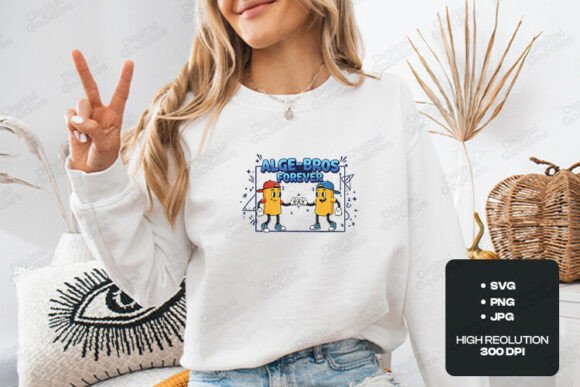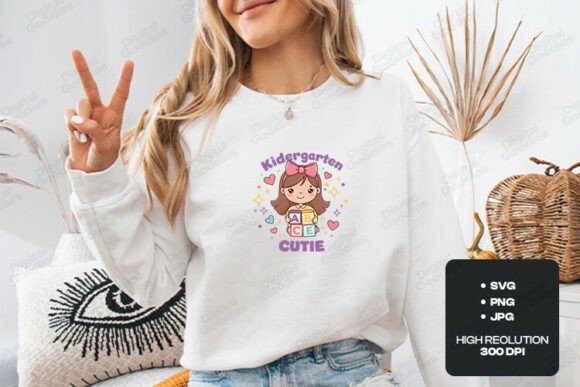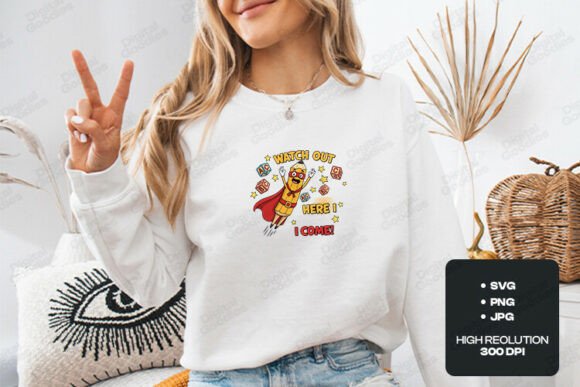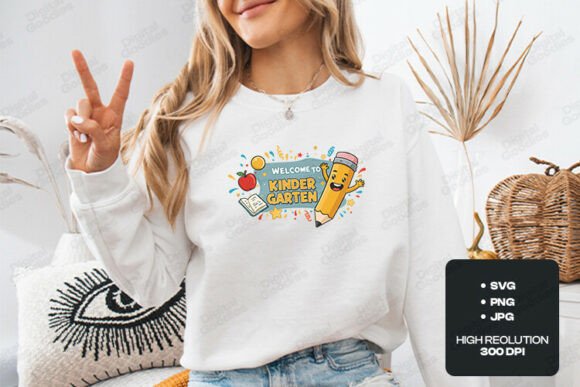
Math Genius Mode Cute Kids Design: Graphics & T-Shirt Designs
First Impression: Playful, Precise, and Purpose-Built
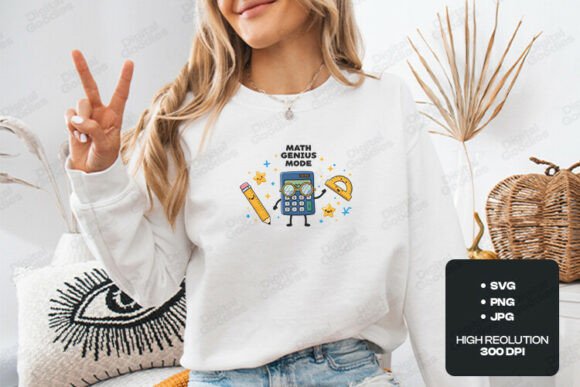
When I opened Math Genius Mode Cute Kids Design, my immediate thought wasn’t “cute calculator”—it was “this has clear audience intent.” The illustration centers a cheerful, anthropomorphized calculator with expressive eyes and a soft outline, surrounded by stylized math tools: protractors, rulers, plus signs, fractions, and floating numbers. It’s not chaotic; it’s curated. The line weight is consistent, the spacing generous, and the palette leans into friendly primaries—sky blue, warm coral, buttery yellow—with clean white negative space holding it all together. This isn’t generic clipart. It’s a graphic design asset built for emotional resonance first, functional clarity second—a rare balance in kids’ educational visuals.
A Real Client Fit: Launching “Number Nook” Learning Kits
I recently scoped visuals for “Number Nook,” a handmade business launching printable math activity kits for ages 5–9. Their brand voice is warm, encouraging, and quietly clever—not cutesy overkill. Math Genius Mode Cute Kids Design landed perfectly as a hero graphic for their Etsy product mockups and Canva templates. It elevated their packaging design without overwhelming it, added instant recognition to social media graphics, and gave their blog headers a joyful anchor. Crucially, it didn’t compete with their clean sans serif typography—it complemented it. That tells me this is a commercial design asset that respects hierarchy instead of hijacking it.
Where It Shines in Real-World Applications
- T-shirt design: Works exceptionally well on youth tees (ages 4–12), especially on light heather grey or navy. The bold shapes hold up beautifully in screen printing and sublimation design.
- Product mockups: Stands out on tote bags, mugs, and sticker sheets—its balanced composition avoids visual clutter even at medium scale.
- Social media graphics: Converts well on Instagram posts and Pinterest pins thanks to strong contrast and recognizable iconography.
- Printable design: Scales cleanly for wall art, flashcards, and classroom posters—no pixelation or stroke collapse when enlarged.
- Cricut project and SVG design use: If vector files are included, the paths are smooth and layer-friendly—ideal for cutting vinyl or customizing colors per campaign.
Where to Use It Thoughtfully
This asset thrives in expressive, audience-aligned contexts—but it’s not universally flexible. Avoid placing it in minimalist branding systems or corporate training materials where visual restraint is non-negotiable. It loses impact at under 1.5 inches tall (think tiny app icons or embroidered patches), and on busy backgrounds—like patterned fabric or textured paper—it needs a solid white or colored drop shadow to maintain legibility. Also, skip pairing it with overly ornate script fonts; its friendly confidence pairs best with rounded sans serifs or gentle display fonts.
Design Performance: Beyond Aesthetics
What makes Math Genius Mode Cute Kids Design more than just decoration? It supports visual hierarchy by anchoring attention without demanding it. Its emotional appeal builds trust with parents seeking engaging learning tools—and signals competence to educators scanning for quality resources. In editorial design or web design, it adds warmth without sacrificing clarity. For print-on-demand sellers, it’s a smart addition to a themed collection: pair it with complementary STEM-themed illustrations to build a cohesive design bundle. And yes—it strengthens small business branding by giving personality to otherwise functional products like worksheets or digital downloads.
Practical Designer Notes Before Deployment
Before locking it into a client’s digital product or printable design, I always run these checks:
- Test in black and white: Does the calculator silhouette remain distinct? (It does—solid outlines help.)
- Preview on both light and dark backgrounds: Confirm PNG transparency works cleanly—no stray pixels or anti-aliasing halos.
- Scale it down to 72px and up to 2000px: Verify no detail loss at small sizes and no stroke thinning at large ones.
- Drop it onto real t-shirt and mug mockups: See how color relationships shift—especially that coral against off-white cotton.
- Run a print test: Check ink coverage and edge sharpness, particularly around the calculator’s buttons and symbol outlines.
- Inspect file formats: Prefer SVG for scalability and full-layered PNGs for quick drag-and-drop into Canva templates or Cricut Design Space.
- Font pairing test: Try it beside Montserrat, Quicksand, and Nunito—each enhances its approachability differently.
- Confirm commercial license: Ensure redistribution rights cover your client’s use case—especially for Etsy product listings or subscription-based printable designs.
Final Verdict: A Strategic Creative Asset
Math Genius Mode Cute Kids Design isn’t just another illustration from the creative marketplace. It’s a purpose-built graphic design asset that delivers on mood, function, and flexibility. For designers building marketing visuals for educational brands, crafting packaging design for boutique learning kits, or developing social media graphics for kid-focused startups—it saves time, reinforces message, and deepens connection. Turn learning into fun? Yes—but more importantly, turn visual strategy into consistency, clarity, and quiet confidence. That’s why it earned a permanent spot in my working design assets folder.