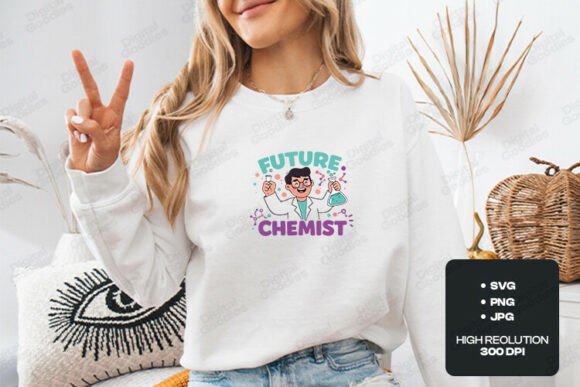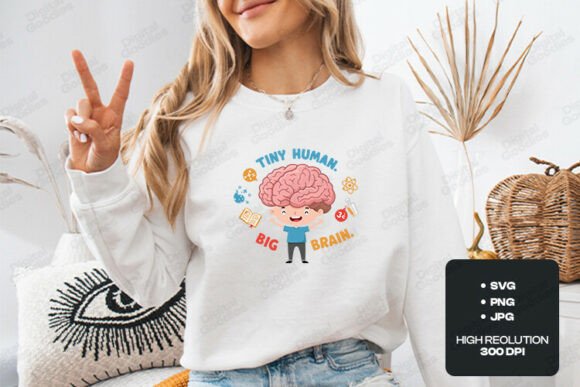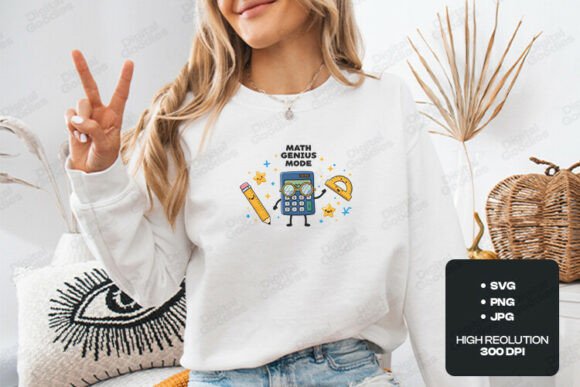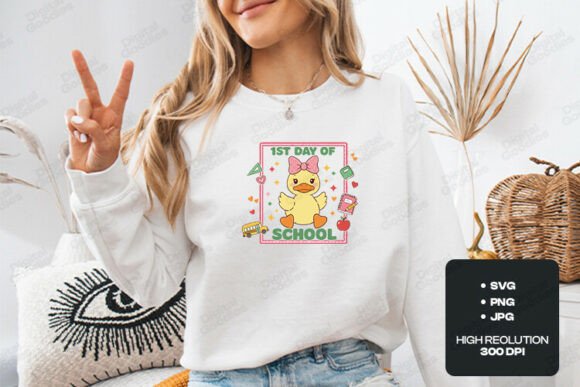
Brain Power Cute Science SVG
A Designer’s First Glance: Playful, Precise, and Purpose-Driven
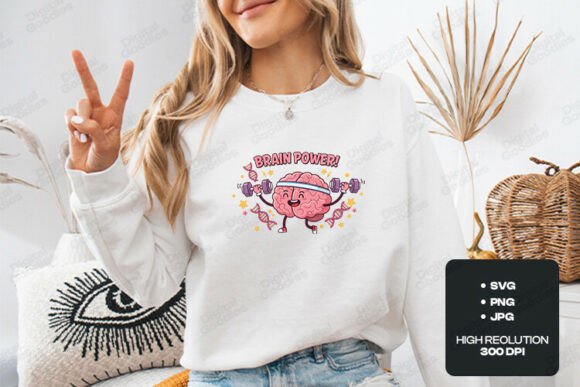
When I opened Brain Power Cute Science SVG for the first time, I didn’t see just another clipart-style graphic—I saw a design with clear intent. The brain character lifting weights is instantly readable, friendly without being cutesy, and clever without trying too hard. It’s got rhythm: rounded shapes, balanced negative space, and science icons (a beaker, atom, and maybe a tiny DNA strand?) placed thoughtfully—not crammed, not sparse. As a designer who’s stitched hundreds of graphics onto real garments, I immediately asked: *Will this hold up under thread? Will it read well at 3.5 inches wide on a toddler sweatshirt? Will my Etsy customers recognize its charm in a thumbnail—and feel proud to wear it?*
Real-World Test: Embroidering It Onto a Linen-Cotton Kitchen Towel
Last week, I used Brain Power Cute Science SVG as the centerpiece for a set of embroidered kitchen towels—part of a small-batch boutique launch for educators and science-themed gift shops. I chose linen-cotton blend because it’s sturdy but breathable, and I knew the design’s clean lines would shine there. Hoop size was 4x4", stabilizer was medium-weight cutaway, and thread colors were navy, soft gray, and a warm coral for the brain’s “weight” and highlights. The result? Crisp satin-stitched outlines, smooth fill-stitched areas (no puckering), and zero lost detail—even the tiny beaker handle stayed defined. Customers loved how the design felt both intelligent and approachable. One buyer messaged: *“My physics teacher daughter cried laughing—and then wore it to lab.”* That’s the sweet spot.
Where It Shines—and Where to Pause
Brain Power Cute Science SVG excels on mid-weight fabrics where stitch definition matters: sweatshirt embroidery, tote bag design, aprons, pillow covers, and baby embroidery on cotton onesies. Its moderate detail level makes it forgiving on textured surfaces (like terry cloth towels or loopback fleece), and its generous spacing between elements prevents thread buildup. It reads clearly even when scaled down to 2.75" for caps or patches—ideal for craft fair merchandise or embroidered patch kits.
That said, use caution on ultra-thin fabrics (like lightweight rayon tees) without proper backing, and avoid stretching it over curved seams or deep armholes without re-hooping. On dark fabric, test contrast early—some science icons rely on subtle tonal shifts that vanish without careful thread color selection. And while the brain’s expression is charming, the tiny eyes and smile are best preserved above 3" width; below that, running stitch or simplified outlines may be needed for clarity.
Why It Builds Trust—Not Just Cuteness
In my experience, buyers don’t just buy designs—they buy confidence in the finished product. Brain Power Cute Science SVG supports that trust. Its layout avoids dense stitch clusters, so wash durability stays high. No floating elements mean less risk of snagging on dish towels or baby blankets. And because it balances illustration and structure, it looks intentional—not like a resized raster file slapped onto fabric. For Etsy sellers and small shop owners, that translates directly to fewer returns, more five-star reviews mentioning “stitch quality,” and repeat orders for matching items (e.g., a towel + matching embroidered cap).
Design Notes Every Embroidery Professional Should Check
- Test on scrap first—especially if using textured or stretchy fabric. Watch how the brain’s curves and icon spacing behave under tension.
- Review stitch density before finalizing. This design leans toward balanced fill and satin work—not heavy fill—but confirm it aligns with your machine’s capability and your fabric’s weight.
- Check licensing before selling finished products or digital embroidery files. Since it’s listed under T-Shirt Designs and Graphics, clarify whether commercial use includes physical goods, POD, or resale of digitized versions.
- Mock it in black and white—not just color. Some science icons gain clarity in monochrome, others fade. Adjust thread contrast accordingly.
- Compare light vs. dark backgrounds. What pops on ivory linen may disappear on charcoal sweatshirts unless you adjust fill density or add underlay.
- Confirm hoop compatibility. While it fits standard 4x4", verify whether corners or outer elements brush the edge—critical for automated multi-position hooping.
- Stabilizer choice matters. Cutaway works best for woven fabrics; tear-away is fine for stable knits, but avoid no-show mesh unless testing first—it can’t support the brain’s lifted-arm curve reliably.
Beyond the Stitch: Branding, Gifting, and Quiet Professionalism
This isn’t just a machine embroidery design—it’s a quiet statement piece. I’ve seen it elevate handmade product listings by making “science lover” feel joyful, not clinical. On holiday embroidery (think: back-to-school totes or graduation gifts), it adds warmth without cliché. For personalized gifts, pairing it with a name or year in clean block lettering creates instant heirloom appeal. And for craft business owners building consistent branding, its visual personality—curious, capable, kind—carries across formats: from printable mockups to embroidered patches to digital design assets in a cohesive shop banner.
Final Thought: A Design That Earns Its Place
Brain Power Cute Science SVG doesn’t shout. It invites. It stitches cleanly. It sells—not because it’s trendy, but because it feels earned. Whether you’re prepping custom apparel for a university bookstore, launching a line of nursery decor, or designing a limited-run embroidered patch for a STEM camp, this design holds its ground. It respects the craft, honors the wearer, and gives your small shop product an unmistakable note of intelligence—and heart.