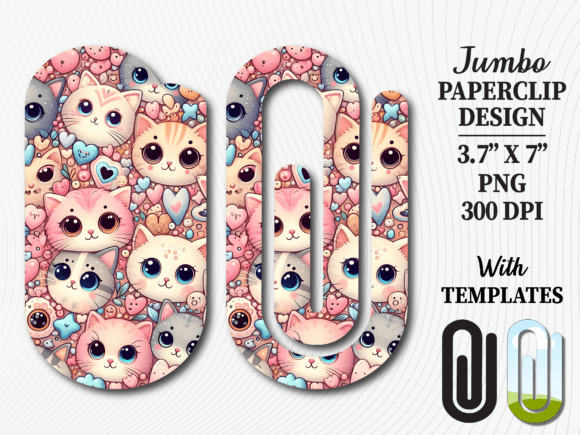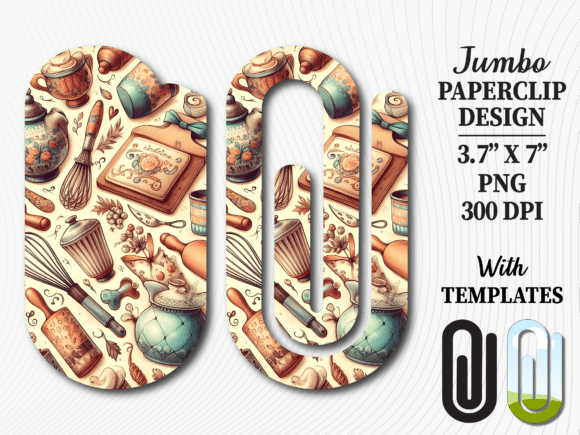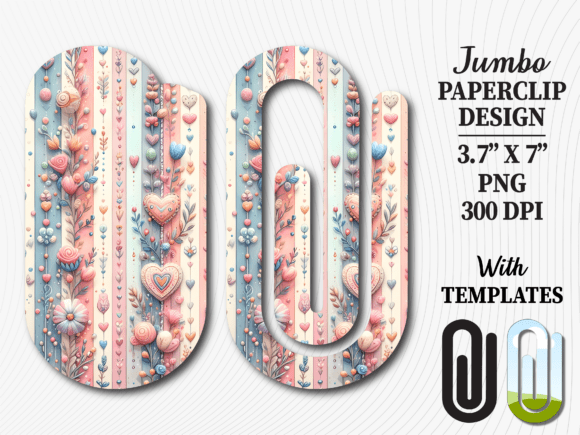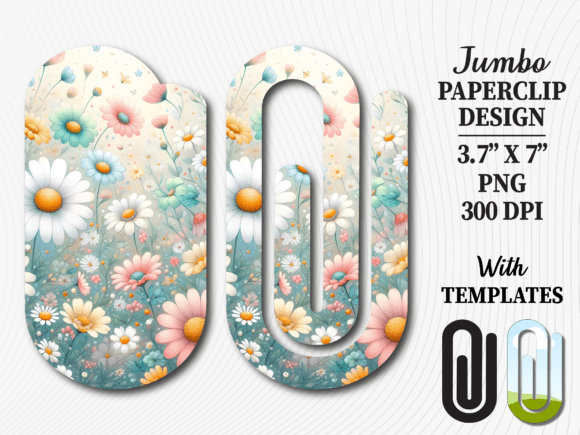
Bohemian Jewel Crystal Jumbo Paperclip
First Impressions: Whimsy with Intention
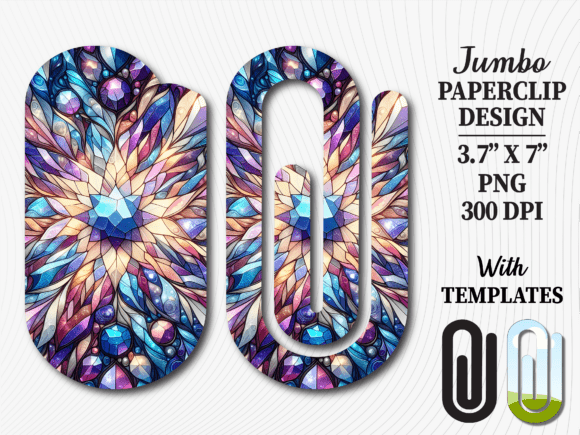
When I opened the Bohemian Jewel Crystal Jumbo Paperclip file, I didn’t see just another decorative graphic—I saw a mood. It’s playful but grounded, ornate without being fussy, and distinctly tactile in its visual language. The layered crystal motifs, organic swirls, and delicate geometric accents suggest hand-drawn charm, not digital sterility. As an embroidery designer who’s stitched hundreds of boutique-ready pieces, I immediately pictured it on a linen tea towel for a small shop launch—or centered on a relaxed-fit sweatshirt for a boho-themed Etsy collection. It doesn’t scream “trend”; it whispers “curated.” That’s rare in today’s oversaturated craft graphics space.
A Real Project Test: Embroidering a Linen Tote for a Local Boutique
Last week, I used the Bohemian Jewel Crystal Jumbo Paperclip as the hero motif on a 14”x16” natural linen tote—part of a small-batch order for a neighborhood gift shop. I digitized it carefully (yes, this is a sublimation design, but I adapted it for machine embroidery), keeping stitch density moderate to preserve the airy feel. On linen, the crystals translated beautifully in satin stitch, while the swirling vines held crispness with a balanced fill stitch. Customers responded instantly: three buyers asked if we’d add matching baby onesies. That tells me something important—the design carries emotional resonance, not just visual appeal. It reads as handmade, even when stitched digitally, because its rhythm feels human-made.
Where It Shines—and Where to Pause
The Bohemian Jewel Crystal Jumbo Paperclip excels on stable, medium-weight fabrics: cotton canvas, midweight denim, brushed poly-blend sweatshirts, and structured pillow covers. It’s ideal for custom apparel where personality matters more than minimalism—think embroidered aprons for artisan bakers or holiday gift totes with monogrammed initials beside the paperclip motif. As a machine embroidery design, it works well for patches (heat-seal or sew-on) and nursery decor like framed hoop art or quilt labels.
But be thoughtful: avoid using it full-size on thin tees or stretchy knits without extra stabilizer—it has fine linear elements that can blur or pucker. On dark fabric, test thread colors thoroughly; some metallic or pale crystal highlights may vanish without contrast. And skip tight curves like cap fronts unless you reduce scale significantly—the outer loops and corner details lose definition there. If you’re prepping for a craft fair, run a sample on your exact fabric first. What looks sharp in a printable mockup isn’t always stitch-perfect in wool-blend felt or textured terry cloth.
Design Integrity in Commercial Use
As someone who sells both finished products and digital embroidery files, I pay close attention to how a design holds up across contexts. The Bohemian Jewel Crystal Jumbo Paperclip supports brand consistency beautifully—it’s distinctive enough to become a signature motif, yet flexible enough to pair with typography or florals. For Etsy sellers, it adds perceived value: customers associate intricate crystal detailing with premium handmade goods, even on modestly priced items like kitchen towels or baby bibs. But remember—this is a Graphics asset, not pre-digitized embroidery. Before listing embroidered versions commercially, verify licensing terms. Some sublimation designs restrict resale of physical items unless you hold extended rights.
Practical Designer Notes You’ll Actually Use
- Always test on scrap fabric—especially with textured weaves or blends. Linen and cotton-linen mixes revealed subtle gaps in fine vine lines until I adjusted underlay.
- Check thread color contrast before stitching on light or dark backgrounds. A soft sage thread sang on cream canvas but disappeared on charcoal.
- Review stitch density. This design leans detailed—not overly dense, but not sparse either. On lightweight baby fabric, I reduced density by 15% to prevent stiffness.
- Confirm hoop size compatibility. Its width fits comfortably in a 5x7 hoop, but the full height pushes toward 6x8. Don’t force it into smaller hoops without simplifying corners.
- Inspect small details at actual stitch-out size. Those tiny crystal facets? They read clearly at 3.5” wide—but vanish below 2.75”.
- Test black-and-white mockups alongside color. Strong value contrast ensures legibility in photos, social posts, and printed tags.
- Use appropriate stabilizer: tear-away for stable wovens, cut-away for knits or high-wear items like tote straps.
- Compare light/dark fabric backgrounds in your design software before sending to stitch. Some shadow layers don’t translate to thread.
Why This Fits Real Craft Businesses—Not Just Hobby Stashes
This isn’t a “just-for-fun” graphic. The Bohemian Jewel Crystal Jumbo Paperclip bridges aesthetics and function for serious makers. It scales well for product photography, reads cleanly in lifestyle mockups, and lends itself to cohesive collections—imagine it on a set of embroidered tea towels, matching oven mitts, and a wall hanging for a cottagecore kitchen line. For small shop owners, it’s a low-risk way to elevate perceived craftsmanship without complex digitizing. For embroidery service providers, it’s a reliable client-requested motif that rarely needs revision. And for digital product sellers, it’s a strong candidate for themed bundles—pair it with botanical borders or minimalist script fonts to build a cohesive Crafts portfolio.
Final Thought: Design With Confidence, Not Just Convenience
There are dozens of jumbo paperclip graphics online. What makes the Bohemian Jewel Crystal Jumbo Paperclip worth your time—and your customer’s attention—is its quiet intentionality. It doesn’t try to do everything. It does one thing beautifully: invite warmth, whimsy, and handmade authenticity into everyday objects. Whether you’re stitching a personalized gift, launching a boutique line, or expanding your design assets library, this piece earns its place—not because it’s trendy, but because it feels true. Just remember: great embroidery starts long before the needle moves. Test it. Touch it. See how it lives on real fabric. Then let it speak for your work.